Research Areas

We connect human visual perception with computational models for images, videos, immersive media, and vision-language systems. Our work asks how visual content is experienced, measured, explored, and made reliable.

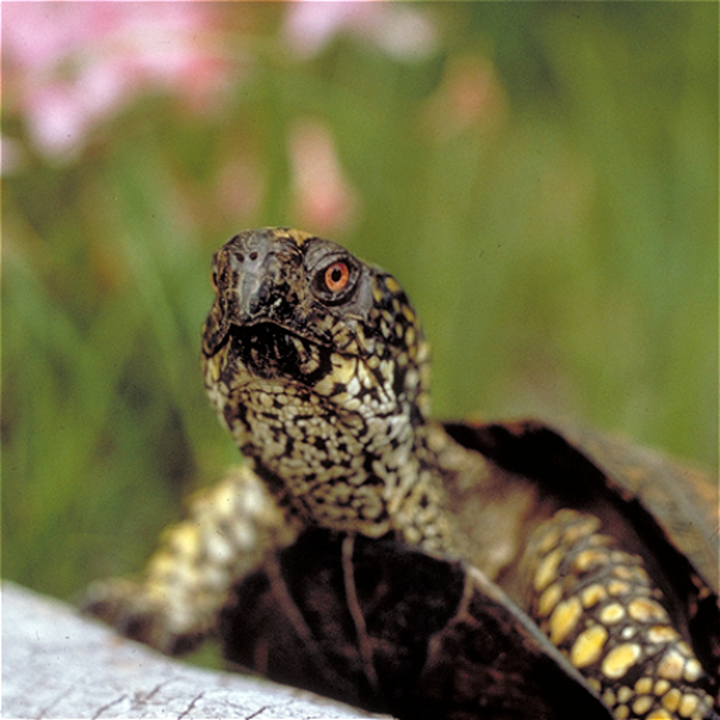
Reference turtle image without degradation

Reference imageUndistorted visual content
The same turtle image degraded by strong blur

Blurred imagePerceptual degradation

01

Visual Quality Assessment

We develop perceptually aligned models that estimate the quality of images and videos as people experience them. This includes no-reference quality assessment, generative scanpath representations, and large multimodal models for image quality assessment.

Perceptual modeling · Image/video quality · LMM-based assessment
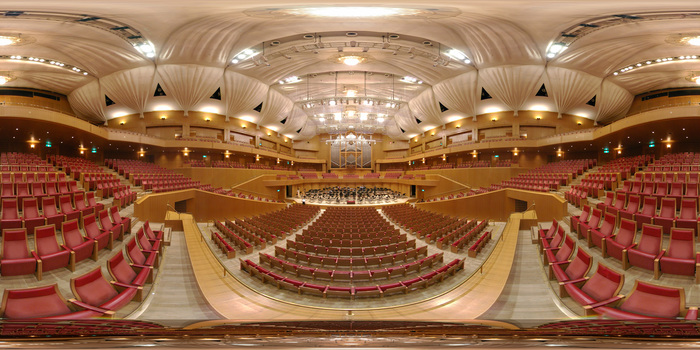
A panoramic scene used for visual attention research

Panoramic sceneA 360° indoor viewing environment

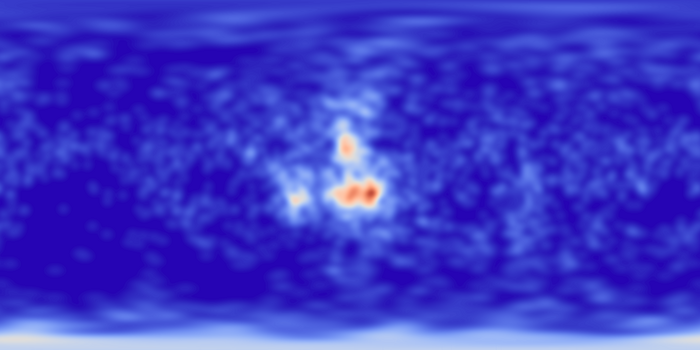
Human visual saliency map for the same panoramic scene

Human saliency mapAggregated fixation density over the scene

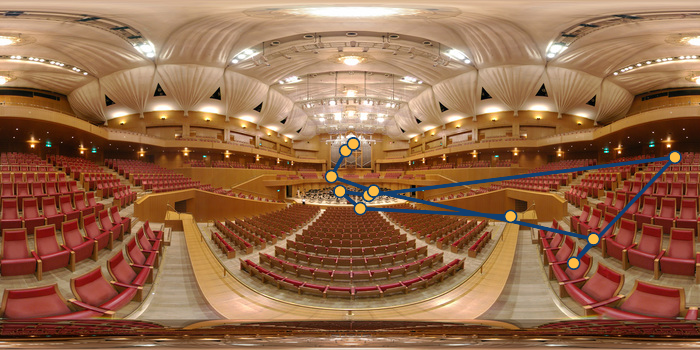
An observed scanpath over the same panoramic scene

Observed scanpath IOne viewer's fixation sequence over this scene

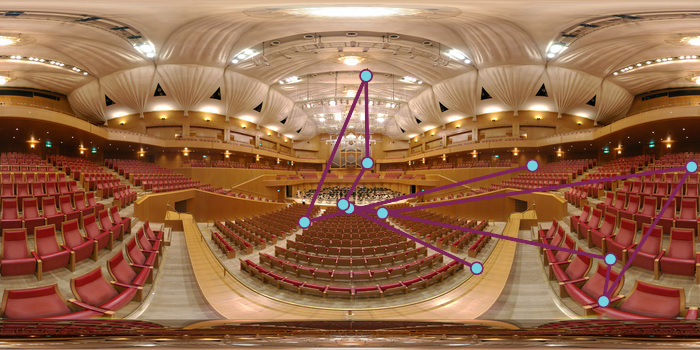
A second observed scanpath over the same panoramic scene

Observed scanpath IIAnother viewer's fixation sequence over this scene

02

Visual Attention

We model not only where observers look, but also the sequence in which they explore a scene. These scanpath models help explain visual attention and support perceptual analysis for 360° images and videos.

Saliency · Scanpath prediction · Generative attention models

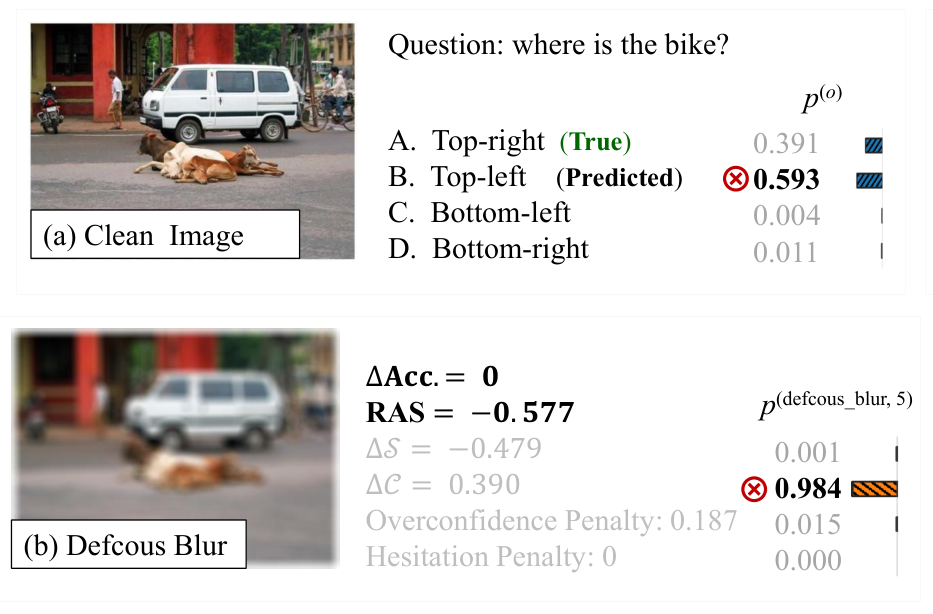
A vision-language model answering the same question for a clean image and a defocus-blurred image
Clean versus defocus blurThe same visual question can produce an overconfident incorrect response after corruption.

03

Vision-Language Model Robustness

We examine how visual corruptions and perception bias affect vision-language models, then develop practical ways to diagnose failures and improve their use in perceptual tasks such as image quality assessment.

Corruption diagnosis · Perception bias · Reliable multimodal models